
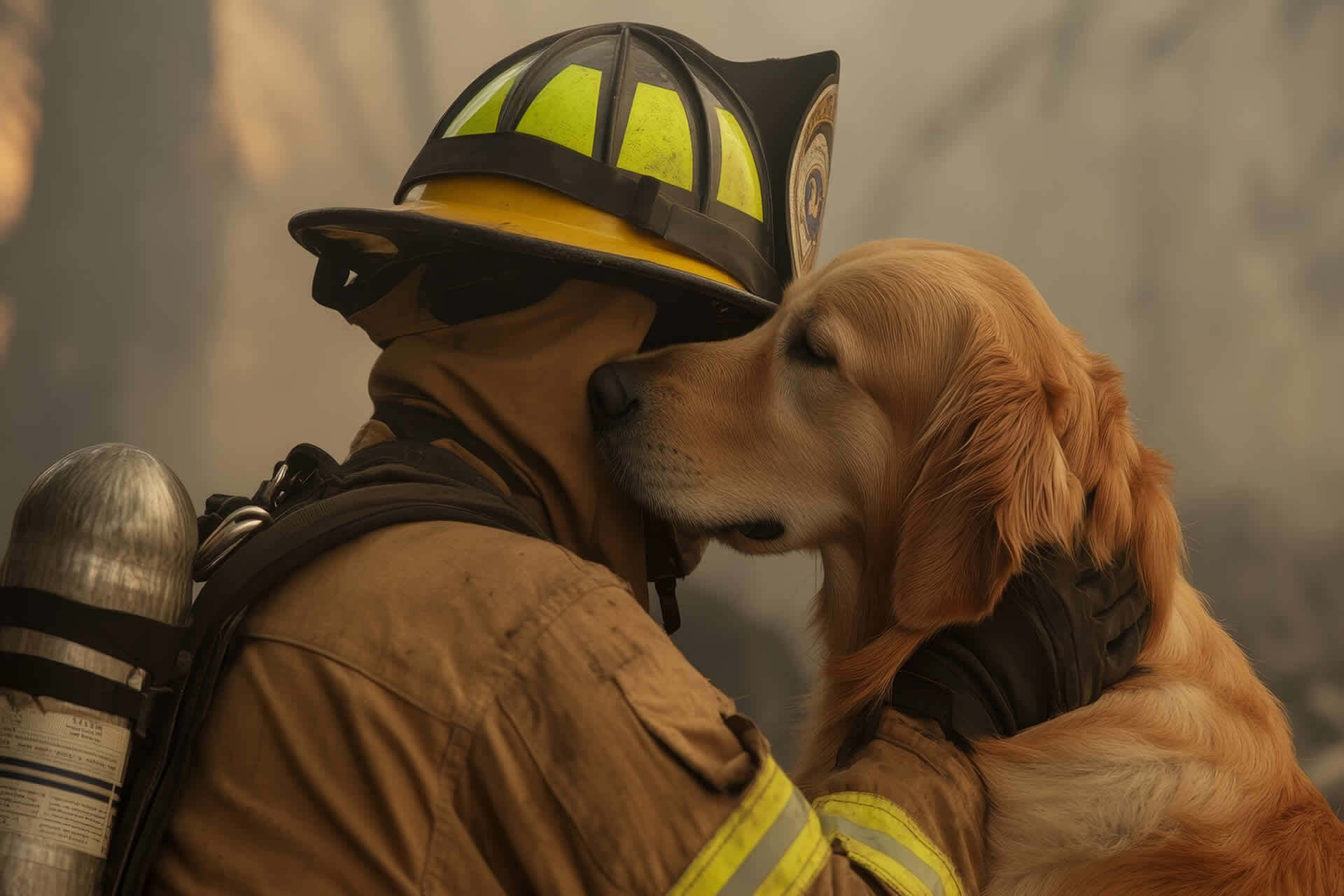
Behind the uniforms and badges are human beings who witness trauma, tragedy, and high‑stress situations on a regular basis. Supporting the mental health of first responders is not optional — it’s essential for their well‑being and their ability to serve effectively.
The Hidden Toll
First responders face challenges the public rarely sees:
- Exposure to traumatic incidents
- Long, unpredictable shifts
- Sleep disruption
- Emotional exhaustion
- High‑pressure decision‑making
Without proper support, these stressors can lead to burnout, anxiety, depression, or long‑term psychological effects.
Building a Culture of Wellness
Forward‑thinking departments are implementing programs such as:
- Peer support teams
- Access to licensed counselors
- Critical incident stress debriefings
- Wellness and fitness initiatives
- Training on recognizing signs of stress
These resources help responders process difficult experiences and maintain resilience.
Healthy Responders = Safer Communities
When first responders are mentally strong, they perform at their best. Supporting their wellness isn’t just good for them — it strengthens the entire community.