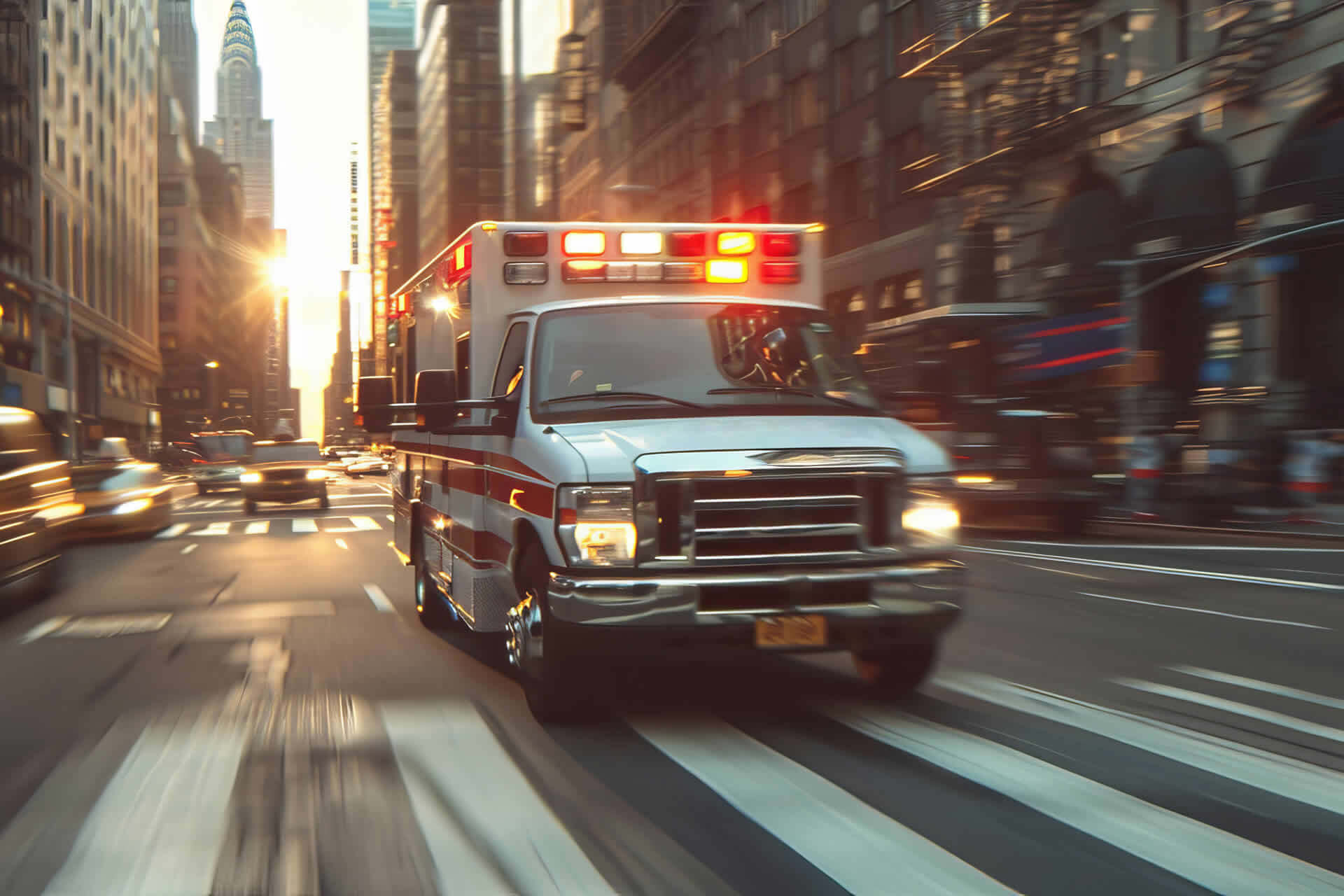
When someone dials 911 for a medical emergency, EMTs are the first medical professionals to arrive. They bring the skills, equipment, and calm presence needed to stabilize patients during the most critical moments of their lives.
What EMTs Do Before the Hospital
EMTs operate in unpredictable environments — homes, highways, workplaces, public spaces — and must quickly assess each situation. They perform life‑saving interventions such as:
- CPR and defibrillation
- Bleeding control and trauma stabilization
- Airway management
- Splinting fractures
- Administering oxygen
- Rapid triage and transport decisions
Their actions often determine whether a patient survives long enough to reach the hospital.
Training That Never Stops
EMTs undergo rigorous initial training, but their education doesn’t end there. Medical guidelines evolve constantly, and EMTs stay current through:
- Continuing education courses
- Hands‑on skills labs
- Scenario‑based simulations
- Certification renewals
- Field training with experienced paramedics
This commitment ensures they can deliver the highest level of care.
The First Link in the Chain of Survival
From cardiac arrests to severe trauma, EMTs are the bridge between crisis and recovery. Their rapid response and expert care give patients the best possible chance at survival.