
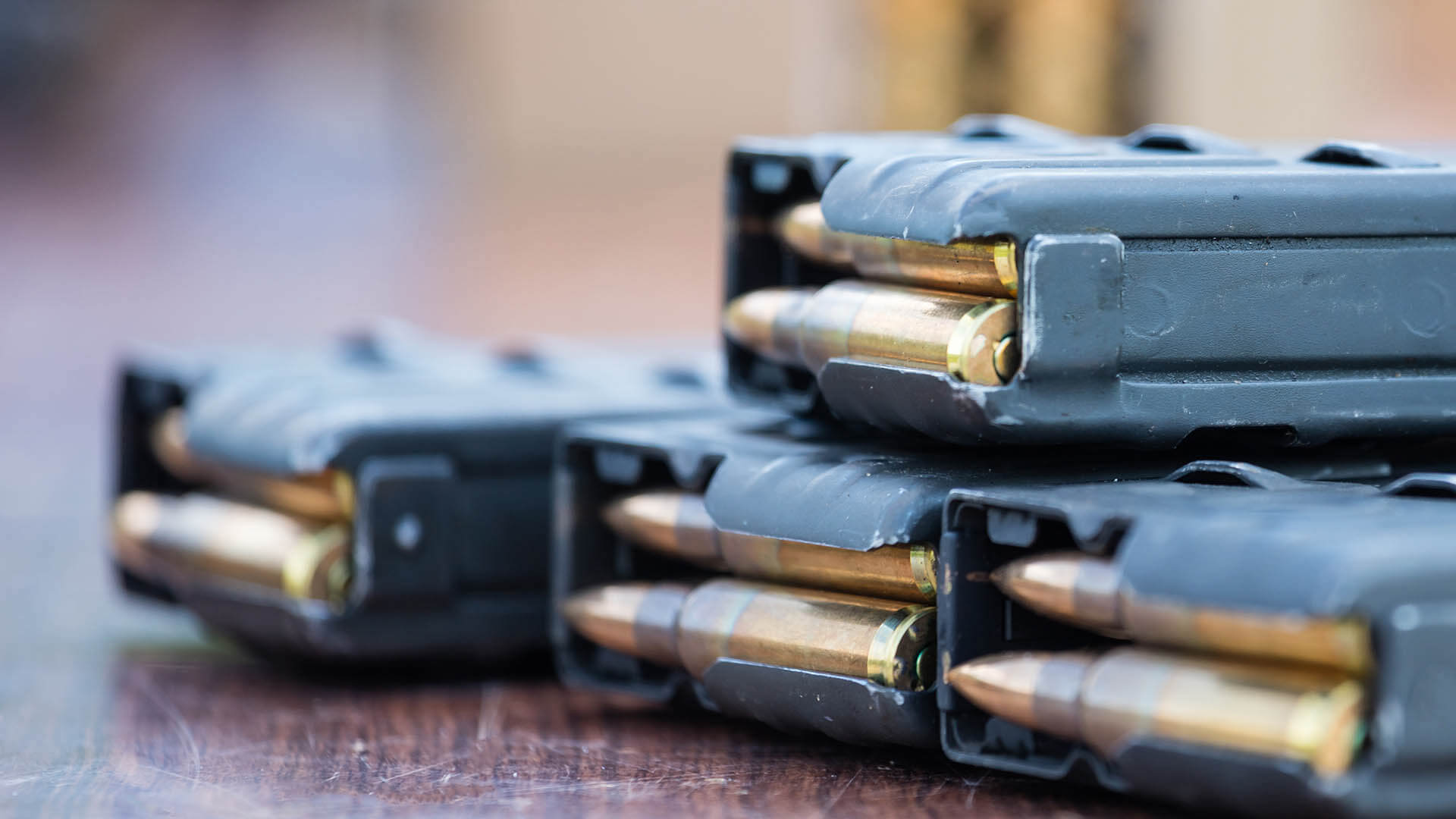
The DOJ’s Lawsuit Against Colorado’s Magazine Ban
In May 2026, the U.S. Department of Justice filed a major lawsuit targeting Colorado’s long‑standing 15‑round magazine limit, originally passed in 2013 after the Aurora theater shooting.
What the DOJ argues
The DOJ claims Colorado’s magazine limit violates the Second Amendment because:
- Magazines over 15 rounds are in common use nationwide
- The ban fails the historical‑tradition test established in Bruen
- Colorado’s law is “arbitrary, unsupported, and unconstitutional”
This lawsuit is part of the DOJ’s new Second Amendment Section, created to challenge state and local gun restrictions nationwide.
What Colorado argues
Colorado Attorney General Phil Weiser insists the law:
- Is a public‑safety measure
- Does not prevent lawful gun ownership
- Fits within constitutional boundaries
But the legal landscape after Bruen is not friendly to magazine bans — and Colorado knows it.
The DOJ Also Sued Denver Over Its Assault‑Weapons Ban
Denver has maintained its own municipal assault‑weapons ban for years, separate from state law. In May 2026, the DOJ filed a second lawsuit — this time demanding Denver stop enforcing its local ban.
Why Denver is being targeted
The DOJ argues:
- Denver’s ban is unconstitutional
- The city cannot prohibit firearms that are legal statewide
- The ban violates the “common use” standard
Denver’s city attorney called the lawsuit “baseless,” but the federal government is not backing down.
What Denver’s ban covers
Denver’s ordinance restricts:
- Semiautomatic rifles with certain features
- Some semiautomatic pistols
- Certain shotguns
- Magazines over 15 rounds (mirroring state law)
If the DOJ wins, Denver’s ban could collapse entirely — and other cities nationwide may follow.
Colorado Has Tried (and Failed) to Pass a Statewide Assault‑Weapons Ban
Colorado lawmakers attempted to pass a statewide assault‑weapons ban in:
- 2023
- 2024
Both attempts failed.
Why the bills failed
- Moderate Democrats refused to support them
- Rural and suburban districts pushed back
- Law enforcement groups raised concerns
- The bills were seen as too broad and unenforceable
Instead of banning rifles, Colorado passed a law requiring mandatory training for semiautomatic firearm purchases — a compromise that satisfied no one.
What the proposed bans would have done
The bills would have banned:
- Manufacture
- Sale
- Transfer
But not possession — meaning current owners would have been grandfathered in.
A New 2026 Lawsuit Targets Colorado’s Firearm Manufacturing Restrictions
In April 2026, Governor Jared Polis signed Senate Bill 3, restricting the manufacture of certain firearms and components.
Within weeks, a new lawsuit was filed.
The lawsuit argues that:
- Colorado cannot restrict lawful firearm manufacturing
- The law violates the Second Amendment
- The law harms small businesses and gunsmiths
- The law conflicts with federal standards
This lawsuit is separate from the DOJ actions — meaning Colorado is now fighting multiple fronts at once.
What This Means for Gun Owners in Colorado (Right Now)
There is no statewide assault‑weapons ban.
Colorado has never successfully passed one.
Denver’s local ban is under federal attack.
Depending on court rulings, enforcement could be halted.
The 15‑round magazine limit is still in effect — for now.
But it is under direct federal challenge.
More lawsuits are coming.
Colorado is now a test case for the DOJ’s new Second Amendment strategy.
Why Colorado Matters Nationally
Colorado is being watched closely because:
- It is a purple state with shifting politics
- It has both urban and rural gun cultures
- It has a history of high‑profile shootings
- It has passed multiple gun‑control laws since 2013
- It is now facing aggressive federal intervention
If the DOJ wins, it could reshape gun laws nationwide. If Colorado wins, it could embolden other states to pass similar restrictions.
Either way, the outcome will influence:
- Magazine bans
- Assault‑weapon bans
- Local gun ordinances
- Firearm manufacturing laws
- The future of Bruen‑based litigation
Colorado is now a national test case.
Gun owners, dealers, and manufacturers should expect major legal changes in the coming months.